
Dr Gabrielle Abbott
Child & Adolescent Psychologist
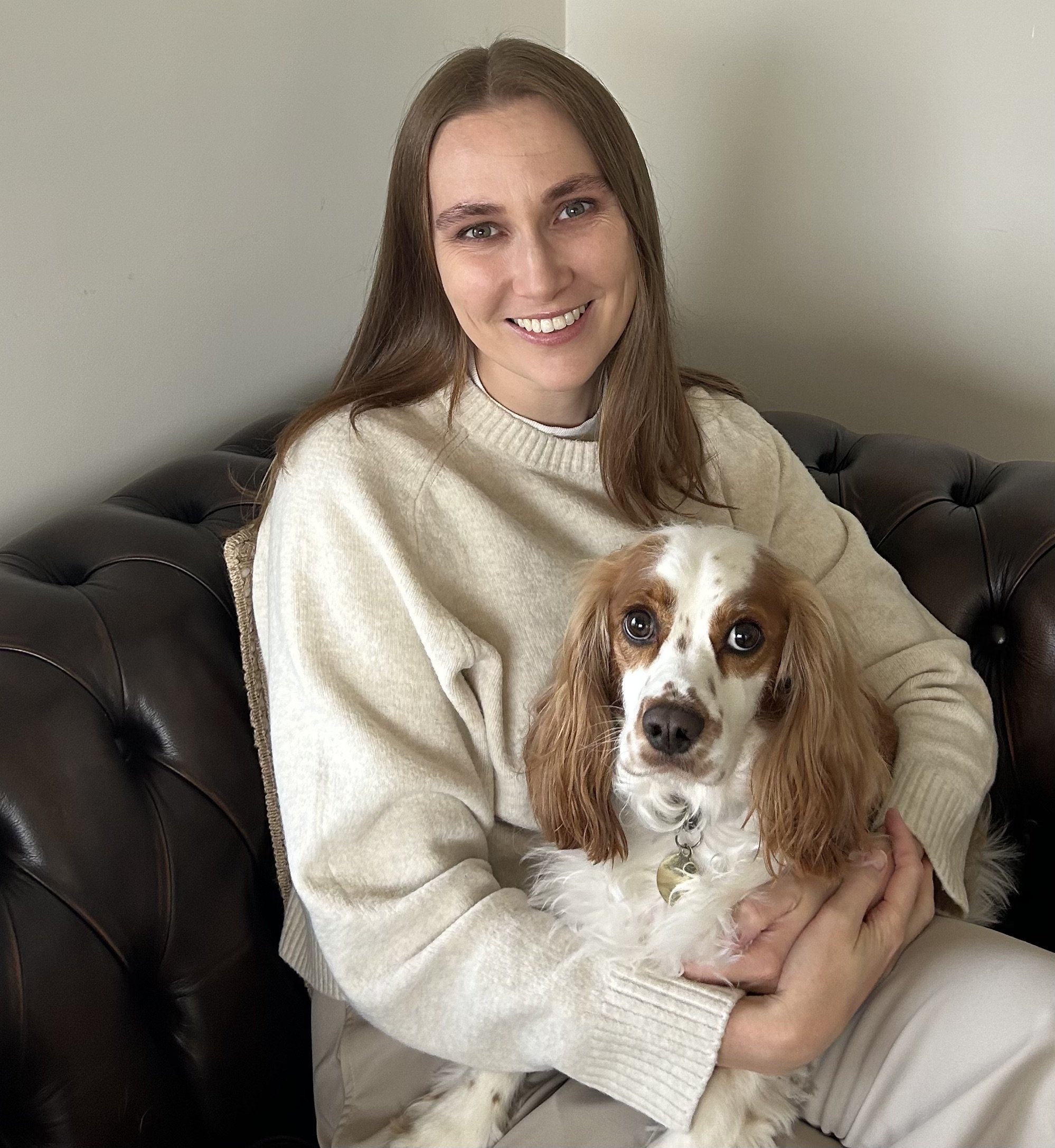
Gabby is a warm and compassionate Clinical Psychology Registrar who is passionate about supporting children, adolescents, and their families to navigate challenges and enhance their wellbeing. She takes a holistic, child-centred approach, recognising the importance of understanding each young person within the context of their family, relationships, and broader environment. This enables her to develop a comprehensive understanding of their emotional, social, developmental, and cultural needs.
Gabby values creating a safe, engaging, and supportive therapeutic space where children and young people feel comfortable being themselves. She enjoys incorporating play, art, and movement into sessions to foster connection, build rapport, and support meaningful therapeutic work. Her therapeutic approach is integrative and tailored to the unique needs of each client, drawing on principles from Systemic Therapy, Acceptance and Commitment Therapy (ACT), Cognitive Behaviour Therapy (CBT), Attachment-Based Therapy, and Psychodynamic Therapy. Outside of work, Gabby enjoys spending time with her family and playing with her dog, Max.
Gabby has worked within the public health sector in child and family psychology, child and adolescent mental health, and brain injury rehabilitation services where she provided therapeutic intervention, comprehensive psychological assessment, and collaborative support tailored to individual needs and strengths. Alongside her clinical work, Gabby previously worked with the Australian Child and Adolescent Trauma, Loss and Grief Network based at the Australian National University, contributing to research and programs supporting children, adolescents, families, and professionals impacted by trauma, loss, and grief.
Gabby completed both her Bachelor of Psychology (Honours) and Doctor of Philosophy (Clinical Psychology) at the University of Wollongong. Her doctoral research focused on cognition in young people who use cannabis, with findings published in leading peer-reviewed journals. Her research background contributes to her strong analytical and formulation-driven approach to clinical work, with particular attention to differential diagnosis, neurodevelopmental presentations, and the complex interaction between cognitive, emotional, behavioural, and environmental factors.